July 13, 2026
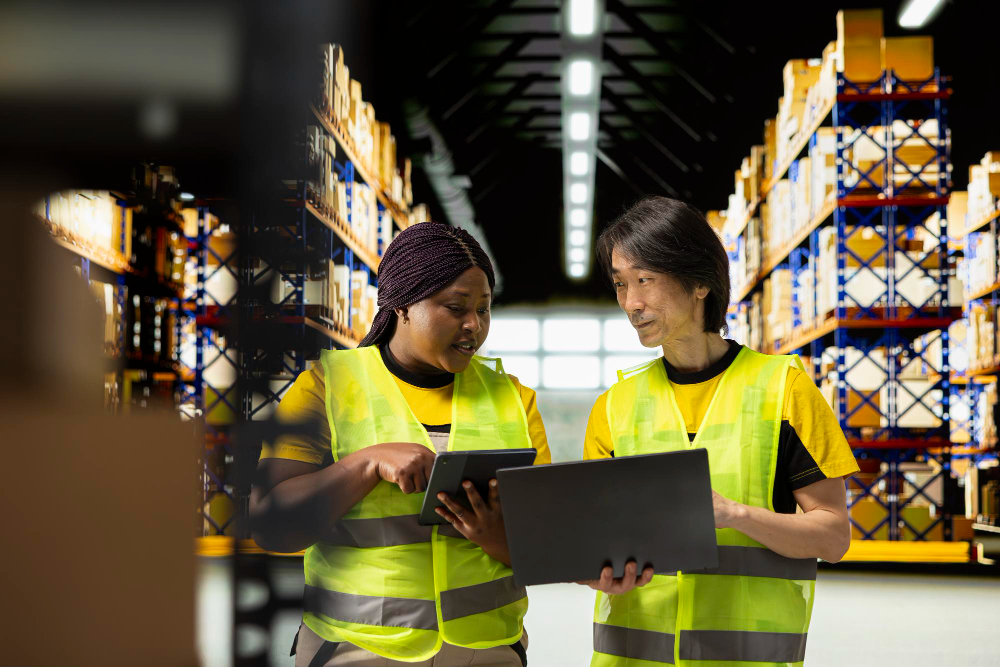
EHS software improves workplace safety by transforming safety management from a reactive, paper-heavy administrative task into a real-time, proactive operational strategy. In industrial settings, these platforms provide immediate access to hazard data, automate essential compliance protocols (like LOTO and Permits-to-Work), and leverage AI to deliver context-aware guidance to workers, ultimately reducing incident rates and fostering a culture where safety is built into every task.
In a traditional industrial facility, the biggest safety risk is often "hidden" information: a worker not knowing about a specific chemical hazard, or a supervisor not seeing a recurring near-miss trend. EHS software solves this by:
Industrial settings present unique, high-stakes challenges. EHS software is designed to handle these specific rigors:
The most significant impact of AI-native software, such as Glartek, is the transition from reporting on what happened to predicting what could happen:
At Glartek, we believe that workplace safety is not a "cost of doing business", it is the foundation of operational excellence.
By integrating your existing tools, our AI-native platform creates a seamless safety net for your workforce. We don't just digitize your checklists; we provide your team with an intelligent partner that monitors, warns, and supports them through every shift.
When you equip your workforce with digital EHS tools, you are sending a clear message: their safety is the company’s highest priority. The result is not just higher compliance scores; it is increased employee morale, reduced downtime, and a resilient industrial operation that is built to last.
The hidden cost of manual audit preparation
2026-10-14
The hidden cost of reactive safety
2026-09-30
Schedule a demo with our team to see how Glartek’s AI-native approach can elevate your facility’s safety standards.
.webp)

.webp)